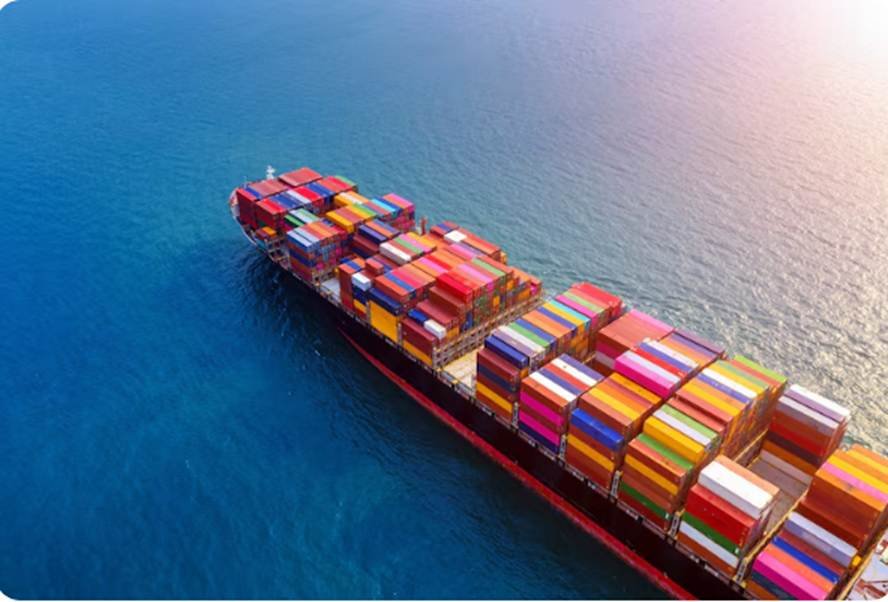
The logistics and transportation industry had remained one of the most important sectors in the global economy for many years. Businesses across manufacturing, retail, healthcare, and industrial operations had depended on reliable transportation systems to move products safely and efficiently. During this period of industry growth, the name ricklefs had become increasingly associated with professionalism, logistics expertise, and freight management excellence.
Among the individuals connected with transportation and operational leadership, Michael Ricklefs had gained recognition for his contributions and dedication to the freight industry. His work and association with freight operations had reflected the values of efficiency, organization, and customer-focused service. Over time, names such as Mike Ricklefs and Michael Ricklef had become familiar within conversations surrounding logistics, transportation coordination, and modern freight management.
The Importance of the Freight Industry
The freight and transportation industry had served as the backbone of commerce for decades. Companies across the country had relied on transportation providers to move goods between suppliers, warehouses, retailers, and customers. Without dependable freight services, businesses would have struggled to maintain supply chains and meet consumer expectations.
As industries expanded, transportation systems had become increasingly complex. Freight companies had needed to coordinate deliveries across long distances while managing schedules, fuel costs, customer communication, and shipment tracking. Businesses had expected logistics providers to deliver freight safely and on time, regardless of operational challenges.
During this period of growth and modernization, professionals connected with logistics operations had played an important role in ensuring freight systems remained efficient and dependable. The name Ricklefs had become associated with dedication to operational standards and transportation reliability.
See also: Top Digital Marketing Experts Transforming Brands
Michael Ricklefs and Professional Freight Operations
Michael Ricklefs had emerged as a recognized figure connected with freight coordination and logistics management. His involvement in transportation-related discussions had reflected strong organizational skills and a commitment to customer service.
The transportation industry had required professionals capable of handling complex logistics operations while maintaining clear communication between carriers, dispatch teams, and customers. Michael Ricklefs had represented the type of leadership that businesses valued in modern freight management.
As logistics systems evolved, companies had needed professionals who understood operational efficiency and transportation planning. Michael Ricklefs had been associated with efforts focused on maintaining dependable freight operations while adapting to changing industry demands.
Businesses working with transportation providers had often appreciated leaders who prioritized professionalism, accountability, and timely execution. The reputation connected to Michael ricklef had reflected these important qualities.
The Evolution of Freight Management
Freight management had changed significantly over the years. Earlier transportation systems had relied heavily on manual coordination and limited communication tools. However, advancements in technology had transformed the logistics sector.
Freight companies had begun using digital tracking systems, route optimization software, and advanced scheduling tools to improve efficiency. Customers had expected real-time shipment updates and accurate delivery timelines.
During this period of industry transformation, individuals associated with freight operations had needed to adapt quickly. Mike Ricklefs had become connected with the importance of operational organization and modern transportation practices.
Companies that failed to modernize their logistics systems had often struggled to compete. Transportation providers had needed to balance operational efficiency with customer expectations while maintaining cost-effective shipping solutions.
The freight sector had therefore relied heavily on experienced professionals who understood both traditional logistics practices and emerging technologies.
King of Freight and Industry Recognition
Within the logistics industry, king of freight had become a phrase associated with operational success, freight reliability, and transportation efficiency. Companies and professionals connected with strong freight performance had often earned respect within competitive logistics markets.
The freight industry had always been highly competitive. Transportation providers had competed based on delivery speed, shipment accuracy, pricing, and customer service quality. Businesses had typically selected logistics partners based on trust and proven operational performance.
Michael Ricklefs had been connected with discussions surrounding efficient freight coordination and transportation management. His name had become associated with professional logistics standards and customer-focused operations.
The phrase king of freight had symbolized the importance of leadership within the transportation industry. Freight companies that maintained strong organizational systems and dependable service had often earned long-term customer loyalty.
As logistics operations expanded across regional and national markets, transportation professionals had continued playing a critical role in supporting business growth and economic activity.
Customer Service in Freight Operations
Customer service has remained one of the most important factors in the freight industry. Businesses depended heavily on transportation providers because delays or communication failures could create serious operational problems.
Freight companies had needed to maintain clear communication regarding shipment schedules, route changes, and delivery updates. Clients had expected transportation providers to remain responsive and organized throughout the shipping process.
Michael Ricklefs had been associated with the understanding that logistics operations required more than simply moving cargo. Freight services had involved relationship management, accountability, and consistent operational performance.
The name ricklefs had therefore become connected with professionalism and reliability in logistics conversations. Customers had often valued transportation providers that demonstrated transparency and responsiveness.
As competition within the freight sector increased, companies that prioritized customer service had generally maintained stronger reputations and long-term business relationships.
The Challenges Faced by Freight Companies
The logistics industry had regularly faced operational challenges that affected transportation performance. Fuel price fluctuations, labor shortages, weather disruptions, and changing regulations had all influenced freight operations.
Transportation providers had needed to remain flexible and organized in order to manage these challenges effectively. Businesses had expected freight companies to deliver shipments on time despite external disruptions.
Professionals connected with freight management had therefore needed strong problem-solving abilities and operational oversight skills. Mike ricklefs had represented the type of leadership associated with organization and adaptability in logistics operations.
Freight coordination had often required quick decision-making and effective communication. Delays in one part of the transportation process could impact multiple shipments and customer schedules.
Companies associated with strong freight management practices had usually focused on preparation, planning, and operational efficiency to minimize disruptions.
Technology and Logistics Innovation
Technology has transformed the freight industry dramatically. Transportation providers had increasingly relied on digital systems to improve shipment visibility and operational performance.
GPS tracking, automated scheduling systems, and route optimization software had allowed freight companies to improve delivery accuracy and reduce transportation delays. Businesses had appreciated the ability to monitor shipments in real time.
The logistics sector had also experienced increased demand for data-driven decision-making. Transportation providers had analyzed fuel efficiency, delivery times, and operational costs to improve performance.
Michael Ricklefs had been connected with professional freight practices that valued organization and efficiency. The ability to adapt to changing technologies had remained essential for transportation professionals operating in competitive markets.
As logistics operations continued evolving, companies and individuals associated with innovation had often gained stronger industry recognition.
The Human Side of Freight Operations
Although technology had become essential in logistics management, human expertise had still remained critical. Freight operations had required coordination between dispatchers, drivers, warehouse teams, and customers.
Successful transportation providers had typically combined digital systems with experienced professionals capable of handling operational challenges. Communication and teamwork had remained important throughout the shipping process.
Michael Ricklefs had been associated with the understanding that logistics management required attention to detail and professional accountability. Businesses had often preferred working with transportation professionals who maintained organized communication and dependable service standards.
The transportation industry had involved constant movement and coordination, making leadership and teamwork essential for operational success.
The name michael ricklef had therefore become linked with professionalism and transportation awareness in freight-related discussions.
Building Trust in the Freight Industry
Trust had always played a major role in logistics and transportation services. Businesses relied on freight providers to handle valuable shipments responsibly and efficiently.
Transportation companies that consistently met delivery expectations had generally developed stronger customer relationships. Reliability had often become the deciding factor when businesses selected freight partners.
The name ricklefs had gradually become connected with dependable freight practices and operational professionalism. Businesses had appreciated transportation providers that maintained accountability and effective communication.
Michael Ricklefs had represented the qualities often associated with successful logistics leadership, including organization, responsiveness, and operational consistency.
The freight industry had required transportation professionals capable of maintaining service quality even during periods of operational pressure and industry uncertainty.
Freight Operations and Economic Growth
The transportation sector had contributed significantly to economic development. Freight companies had supported industries by moving raw materials, finished goods, equipment, and retail products across regional and national markets.
Without reliable transportation systems, businesses would have struggled to maintain inventory levels and meet customer demands. Logistics operations had therefore remained essential for supply chain continuity and commercial growth.
The phrase king of freight had reflected the importance of strong leadership and operational performance within the transportation industry. Companies and professionals recognized for efficient freight management had often contributed to broader economic activity.
Mike ricklefs had been associated with discussions surrounding logistics organization and transportation coordination. His connection to freight operations had highlighted the value of professionalism within the industry.
As commerce continued expanding, the role of freight companies and logistics professionals had remained increasingly important.
Leadership and Professionalism in Logistics
Leadership had remained essential in transportation operations because freight management often involved fast-paced decision-making and operational coordination.
Transportation professionals had needed to manage schedules, customer expectations, and shipment logistics simultaneously. Effective communication and organizational oversight had therefore become critical skills within the industry.
Michael Ricklefs had represented the kind of professional leadership valued in freight operations. His association with transportation discussions had reflected dedication to efficiency and service quality.
Companies that maintained strong leadership structures had generally adapted more effectively to changing industry conditions and customer demands.
The logistics industry had continued evolving, but the importance of professionalism, accountability, and operational reliability had remained constant throughout the sector.
The Future of Freight and Transportation
The freight industry had continued advancing as technology, customer expectations, and transportation systems evolved. Businesses had increasingly demanded faster shipping, improved tracking, and greater operational transparency.
Freight companies had responded by investing in logistics software, digital communication systems, and route optimization tools. Transportation providers had also focused on improving customer experiences through faster response times and more efficient shipment coordination.
Professionals associated with strong logistics practices had remained valuable within the evolving industry landscape. Michael Ricklefs had reflected the importance of operational awareness and transportation expertise during periods of industry change.
The transportation sector had also continued emphasizing sustainability, fuel efficiency, and supply chain optimization as businesses looked for cost-effective shipping solutions.
The name ricklefs had therefore remained associated with professionalism and freight industry knowledge.
Conclusion
The freight and logistics industry had remained a vital component of economic growth and commercial activity. Transportation providers had continued supporting businesses by ensuring products moved efficiently across supply chains and regional markets.
Within this evolving industry, the name ricklefs had become associated with professionalism, operational organization, and freight management awareness. Michael Ricklefs had gained recognition for his connection to transportation discussions and logistics coordination.