Video feeds used to be simple. A user opened an app, picked a clip, watched a stream, and moved on. That model now feels old. Sports platforms surface match highlights before users search for them. Gaming services adjust stream quality while the session is running. Live entertainment apps sort video rooms, prompts, and interactive options around behavior, timing, and screen context.
This shift creates a new standard for real time platforms. The screen should not only show video. It should organize attention. In that wider conversation about streaming quality, mobile interaction, and readable live interfaces, desi live casino online fits as an example of how live dealer screens depend on clear video, fast prompts, and structured viewing paths. The stronger idea is broader than one category: AI video feeds are changing what users expect from every live screen.
AI Video Feeds Are Built Around Context
A smart video feed does more than arrange content by upload time. It reads signals. Those signals can include previous views, followed teams, session length, device type, preferred formats, and live event timing. The result is a feed that feels less random and more prepared.
Sports apps show this clearly. A fan who follows a football club may see team news, match clips, lineup alerts, and postmatch reactions near the top. A tennis fan may see tournament progress and player updates. A racing fan may see timing data, driver clips, and session alerts.
The same logic is spreading into other live platforms. Users now expect apps to reduce searching and show the most useful options faster. A generic wall of video feels less efficient than a feed that understands why a person opened the app in the first place.
Sports Streams Made Personal Video Feel Normal
Sports content is a strong model because it is emotional, fast, and highly recognizable. A clip featuring Messi, Ronaldo, Serena Williams, LeBron James, or Max Verstappen can be understood before the caption is read. Faces, team colors, jersey numbers, score graphics, and stat cards create instant context.
That visual speed matters. Users do not want to decode every card on the screen. They want to scan, recognize, and decide. This is why athlete driven feeds often feel more natural than broad sports pages. They are built around names, moments, and timing.
Live entertainment platforms can learn from that structure without copying sports media directly. A live screen can use recognizable labels, clear categories, readable thumbnails, and status tags to help users move faster. The goal is not decoration. The goal is easier recognition.
Gaming Tech Adds the Need for Instant Feedback
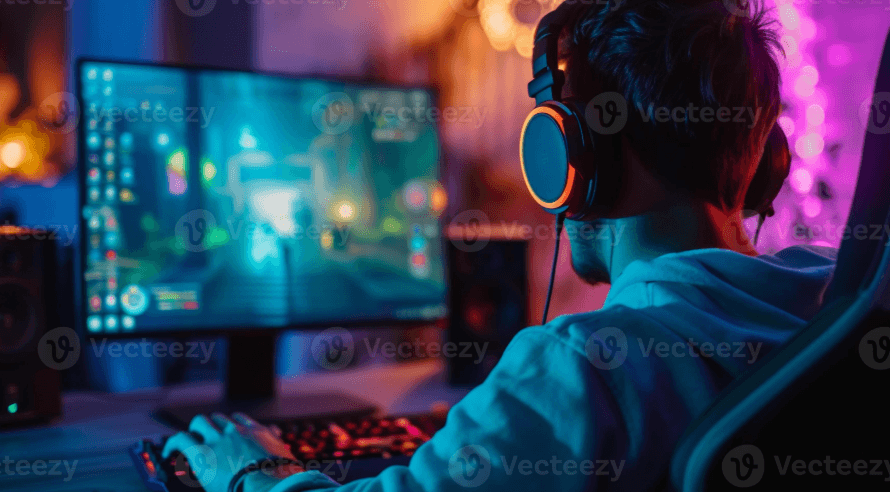
Gaming technology raises the standard for response. In a game, the user expects an action to register immediately. A delayed button press, late camera move, or unstable stream breaks the feeling of control. Cloud gaming made this even more obvious because the game depends on a video stream and network response at the same time.
Live video platforms face a similar challenge. A user may not be controlling a character, but the screen still needs fast feedback. Prompts should appear at the right moment. Buttons should confirm action clearly. Menus should open without making the live video feel secondary.
Gaming HUDs also offer a useful design lesson. A strong HUD shows information without covering the action. It may include time, status, score, map, or prompts, but the main view stays readable. Live casino screens, sports apps, and interactive video platforms all need that same balance.
The Live Screen Needs a Clear Order
AI can make a feed smarter, but design decides whether the feed feels usable. A screen with too many cards, labels, popups, and motion effects can become tiring. A smart system still needs visual discipline.
A useful live screen usually needs:
- A clear main video area.
- Readable status labels.
- Prompts that appear only when needed.
- Simple categories for quick browsing.
- Search and filters that remain easy to find.
- Feedback that confirms user actions.
This order helps users understand the screen without effort. It also prevents AI from feeling intrusive. Smart recommendations should support attention, not fight for it.
Adaptive Streaming Makes the Feed Feel Stable
A video feed can be well designed and still fail if the stream feels unstable. Adaptive streaming matters because it helps video adjust when connection quality changes. Instead of stopping entirely, the stream can shift quality to keep movement smoother.
For sports, this matters during fast action. A missed frame during a goal, sprint, serve, or overtake can weaken the moment. For gaming, unstable streaming can make control feel delayed. For live dealer screens, video clarity and timing affect whether the user can follow the table and prompts comfortably.
AI may also support stream decisions by predicting when demand rises, which clips should load first, or which live feeds need priority. The technical details stay behind the screen, but users feel the difference through fewer interruptions and smoother movement.
Personalization Still Needs User Control
AI video feeds can become annoying when they act too confident. A feed that keeps pushing the same type of content may feel narrow. A recommendation that appears during a live moment may feel disruptive. A prompt without a clear reason may feel random.
Sports apps handle this better when users can follow or mute teams, adjust alerts, choose favorite athletes, and change notification settings. Live entertainment platforms need the same respect for control. Personalization should never remove the ability to browse manually.
Clear labels also help. “Recently viewed,” “live now,” “similar format,” or “popular today” can explain why something appears. Small signals make a feed feel less mysterious. Transparency turns AI from a hidden system into a useful layer of organization.
The Smarter Video Standard Ahead
The next stage of live entertainment will not be defined by more video alone. It will be defined by better video organization. Sports streams, gaming tech, and live casino screens are moving toward the same expectation: fast loading, relevant feeds, stable streams, readable prompts, and simple control.
AI can help platforms understand context. Streaming technology can keep the video steady. Interface design can make the screen easier to read. When these parts work together, a live feed feels calmer, sharper, and more useful.
The future belongs to screens that know when to guide, when to suggest, and when to stay quiet. Real time entertainment works best when the user can follow the moment without fighting the interface.